From the very beginning of Brain Research New Zealand – Rangahau Roro Aotearoa (BRNZ), it has been our aim to partner with Māori to help improve Māori health outcomes and to support the development of a thriving Māori neuroscience and healthcare workforce. Engaging...

News
Ageing Well and Brain Research New Zealand announce co-funding
The Ageing Well National Science Challenge and Brain Research New Zealand (BRNZ) have just agreed to co-fund three research projects led by BRNZ investigators, awarding a total of $277,339. This co-funding marks the first step in a partnership that Ageing Well...
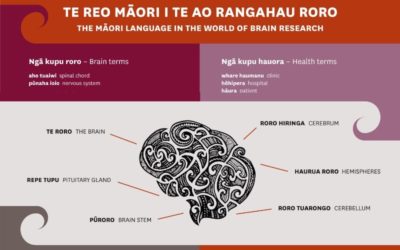
BRNZ Releases Poster for Te Wiki o Te Reo Māori
The theme of 2018's Wiki o Te Reo Māori is "Kia kaha te Reo Māori", let's make the Māori language strong! One of Brain Research New Zealand's key strategic goals is to partner with Māori in a meaningful way. To do this - and to play our little part in making the Māori...
BRNZ Researchers Receive Neurological Foundation Grants
The Neurological Foundation has just awarded $1,489,471 of funding to neurological research projects, a repatriation fellowship, and several travel grants in their July 2018 grant round. The Neurological Foundation is the primary non-government funding body of...
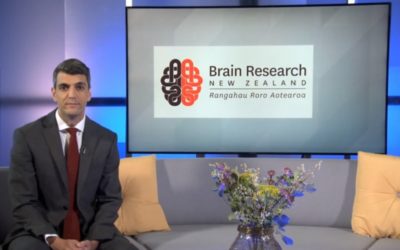
BRNZ presents film segment for ‘Every Three Seconds’
We proudly present Brain Research New Zealand’s contribution to ‘Every Three Seconds’, a news and current affairs style programme that explores the risks, growth and future response to dementia. It tells the stories of those who are impacted by dementia and those who...
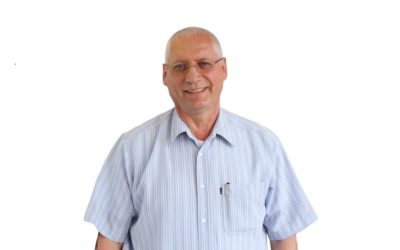
Professor Valery Feigin’s Stroke Self-management Rehabilitation Website Goes Live
Prof Valery Feigin has done it again. After creating his award-winning Stroke Riskometer app in 2013, he has just launched another valuable tool for stroke prevention and recovery: Stroke.net.nz, a website focused on self-managed rehabilitation. Valery, a BRNZ...
BRNZ Researchers Receive Funding Boost from HRC
As part of its annual funding round, the Health Research Council of New Zealand (HRC) has just awarded $55.56 million to 49 projects with the potential to improve the health of New Zealanders. The projects span across public health, biomedical research, Māori and...
2nd Annual Brain and Technology Symposium: Brain Research New Zealand and MedTech CoRE Combine Forces
The second annual Brain and Technology Symposium was held on 11 and 12 April 2018 in the Fale Pasifika at the University of Auckland. It brought together an incredibly diverse group of people and perspectives from all corners of New Zealand and abroad. 68 participants...
Ultrasound As A Non-invasive Treatment For Alzheimer’s Disease?
Alzheimer’s disease accounts for more than 60% of all dementia cases, and as our population ages it is becoming an even greater societal issue. Huge progress has been made since the identification of Alzheimer’s disease in 1907, however drug trials continue to fail....
LiLACS – With Professor Ngaire Kerse
Now, more than ever before, people are living well into their eighties and nineties. “When I was a girl no one knew anyone in their 90s,” visiting Professor Ngaire Kerse says, “and now I bet everyone in this room knows someone in their 90s.” Ngaire has come down from...
Dunedin Clinic Marks A New Era In Alzheimer’s Research
Photo Caption: The New Zealand Minister of Health, Hon Dr David Clark, who officially launched Brain Research New Zealand’s Dunedin Dementia Prevention Research Clinic. Dunedin residents now have the opportunity to contribute to potentially ground-breaking discoveries...
Chris Heinrich: PhD Candidate Using Virtual Reality to Aid Stroke Rehabilitation
Chris Heinrich is a PhD candidate based at the University of Otago. With his supervisors, Professor Holger Regenbrecht and Dr Tobias Langlotz, Chris is examining the use of virtual reality to aid stroke rehabilitation. “I’m developing an augmented reality system that...