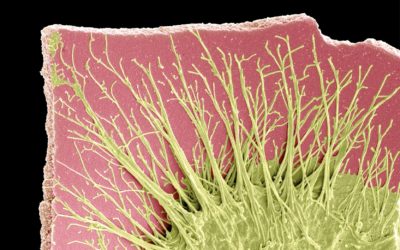
There are said to be more than 60,000 people living with dementia here in New Zealand. But did you know that this number is only an estimate, based on statistics from other countries? To date, there has never been a dedicated, nationally-representative study into the...
News
Justine Camp: Navigating towards a whānau-based health model
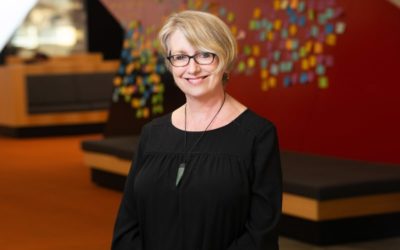
“When you read my CV, I look a bit nuts,” Justine Camp (Kāi Tahu, Kāti Mamoe, Waitaha) says. And indeed, the path that lead her to do a PhD at BRNZ is more diverse than most: Justine has taught te reo Māori since she was 16, studied social work, managed an art gallery...
Sophie Mathiesen: Trialling a new treatment for Alzheimer’s disease
“I can’t really remember a time that I wasn’t interested in science,” Sophie Mathiesen (Ngāpuhi) says. “My dad has a background in engineering and mum in chemistry, so they were always keen to help with the elaborate projects I designed.” In high school, Sophie...
Preventing stroke through coaching
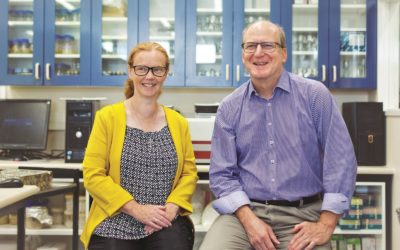
Each year, stroke shortens the lives of millions of people across the globe – it is the second most common cause of death and disability worldwide. But according to BRNZ investigators, Dr Rita Krishnamurthi and MacDiarmid Medal winner, Prof. Valery Feigin, the...
A cellular approach to stroke recovery
Every year in New Zealand, around 9000 people have a stroke, and as our population ages, that number is expected to rise. In many cases, those affected never recover fully and disabilities can last decades. This is why BRNZ researchers have been working on all aspects...
Dr Helen Murray: The best of both worlds
Helen’s love for science started when she was very young, a spark ignited by her dad. “We would sit down and he would teach me about molecules as a little six year old,” Helen says. “I think that’s my earliest memory of science.” As a teenager, when her dad got sick...
Knocking out proteins on the hunt for treatments
In Prof. Mike Dragunow’s lab at the University of Auckland, they grow human brain cells – everything from star-shaped astrocytes and neurons, to the focus of his latest research paper, microglia – the brain’s “surveyors”. For the past twenty years, BRNZ Principal...
A very special protein: Reducing deficits in Alzheimer’s disease through gene therapy
Alzheimer’s disease, the most common form of dementia, is a degenerative brain condition that progressively impairs memory, thinking and reasoning skills. It is estimated that it affects 10% of New Zealanders over 65 years and 25% of people over 85. Currently,...
Could sheep hold the key to unlocking Alzheimer’s?
“Our animal models wander around in paddocks, eat grass, and are well cared for. In many ways, they’re just normal sheep,” says BRNZ Principal Investigator, Prof. Russell Snell. But those sheep are special, because they’re helping Russell and his colleagues at the...
Te Tino Rangatiratanga o te Mate Ikura Roro: Empowering Stroke Survivors
A recent study undertaken in Auckland concluded that while there is a moderate level of community stroke knowledge overall, this varies by ethnicity, and stroke awareness levels amongst Māori are particularly low. With the Māori population living longer, and thus...
Brain Awareness Month 2019
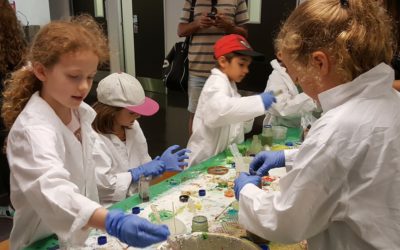
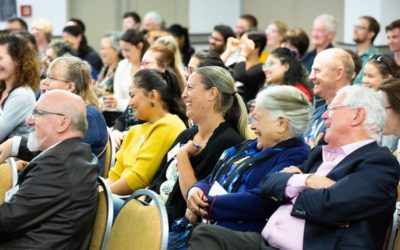
In March, New Zealand celebrated Brain Awareness Month with events happening all across New Zealand bringing together researchers, community organisations, and the wider public. In Auckland, Brain Research New Zealand worked with the Centre for Brain Research and The...
BRNZ holds first conference of the full Centre of Research Excellence
On 9-10 March 2019, Brain Research New Zealand (BRNZ) held their first ever conference of the full CoRE including our wider stakeholders, preceded by a workshop for our Early Career Researchers (ECRs). Our members came together in Auckland from across the country and...